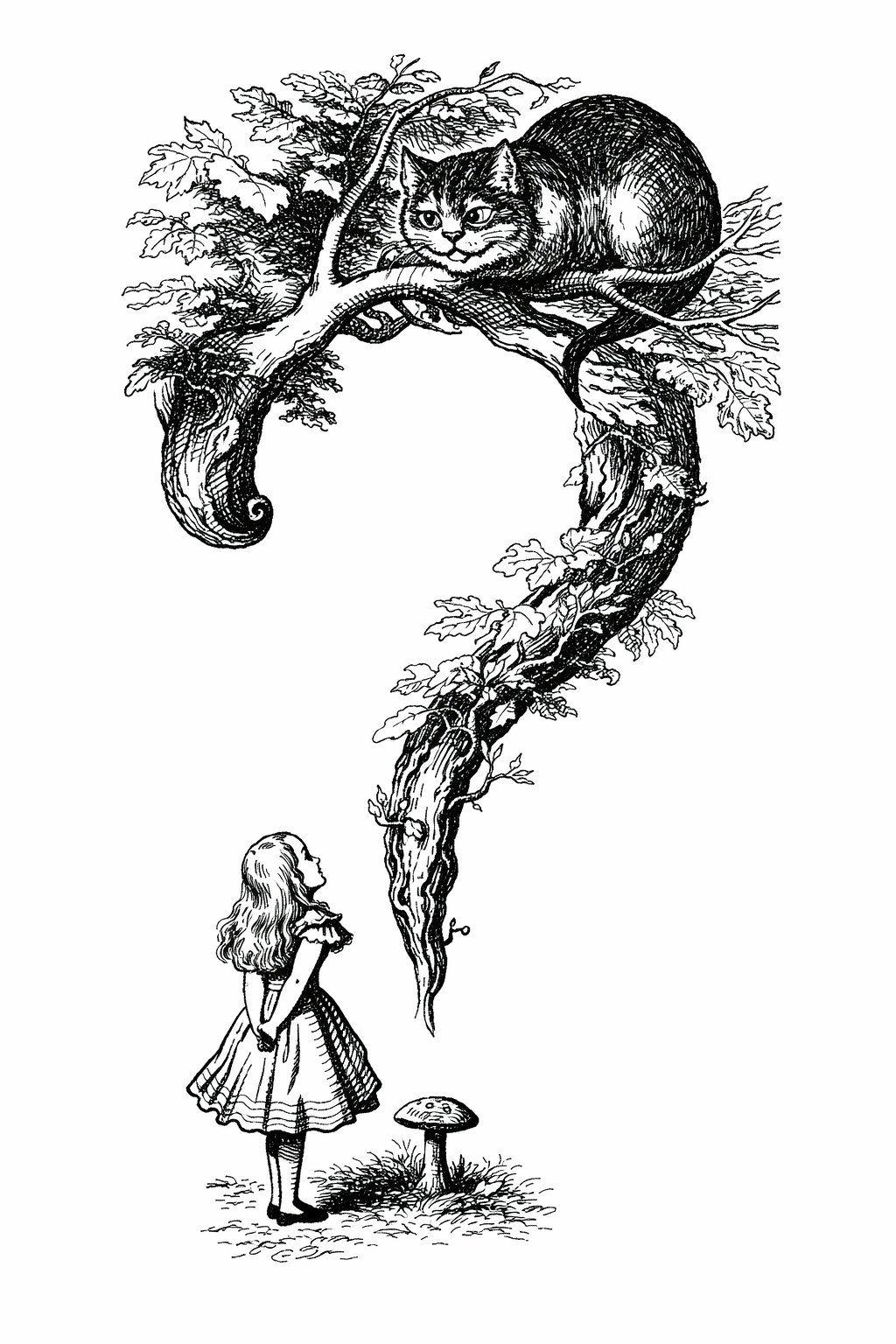
On Being Curious
I’ve always been drawn to the question mark.
Not as punctuation, exactly, but as a posture. An orientation toward the world that says: there’s more here than I understand, and I’m willing to stay with that for a while.
This piece began its life as an introduction to an audio project. What remains is the thing that mattered most anyway—the idea that curiosity isn’t a personality trait so much as a practice. Something you return to. Something you cultivate. Something that changes how you move through your days.
Curiosity, as I’ve come to understand it, isn’t about having endless questions. It’s about knowing the difference between a good question and a great one. A good question looks for an answer. A great question changes the shape of the person asking it.
As adults, we’re subtly trained out of this. We’re rewarded for certainty, for speed, for appearing informed. “I don’t know” becomes something to apologize for rather than an opening. Wonder gets relegated to childhood, as if seriousness and curiosity can’t coexist.
They can. They must.
Curiosity asks for courage—the courage to admit what you don’t yet understand, and the patience to sit with that discomfort long enough for something more interesting to emerge. It’s why the search for an answer can be as meaningful as the answer itself. Sometimes more so.
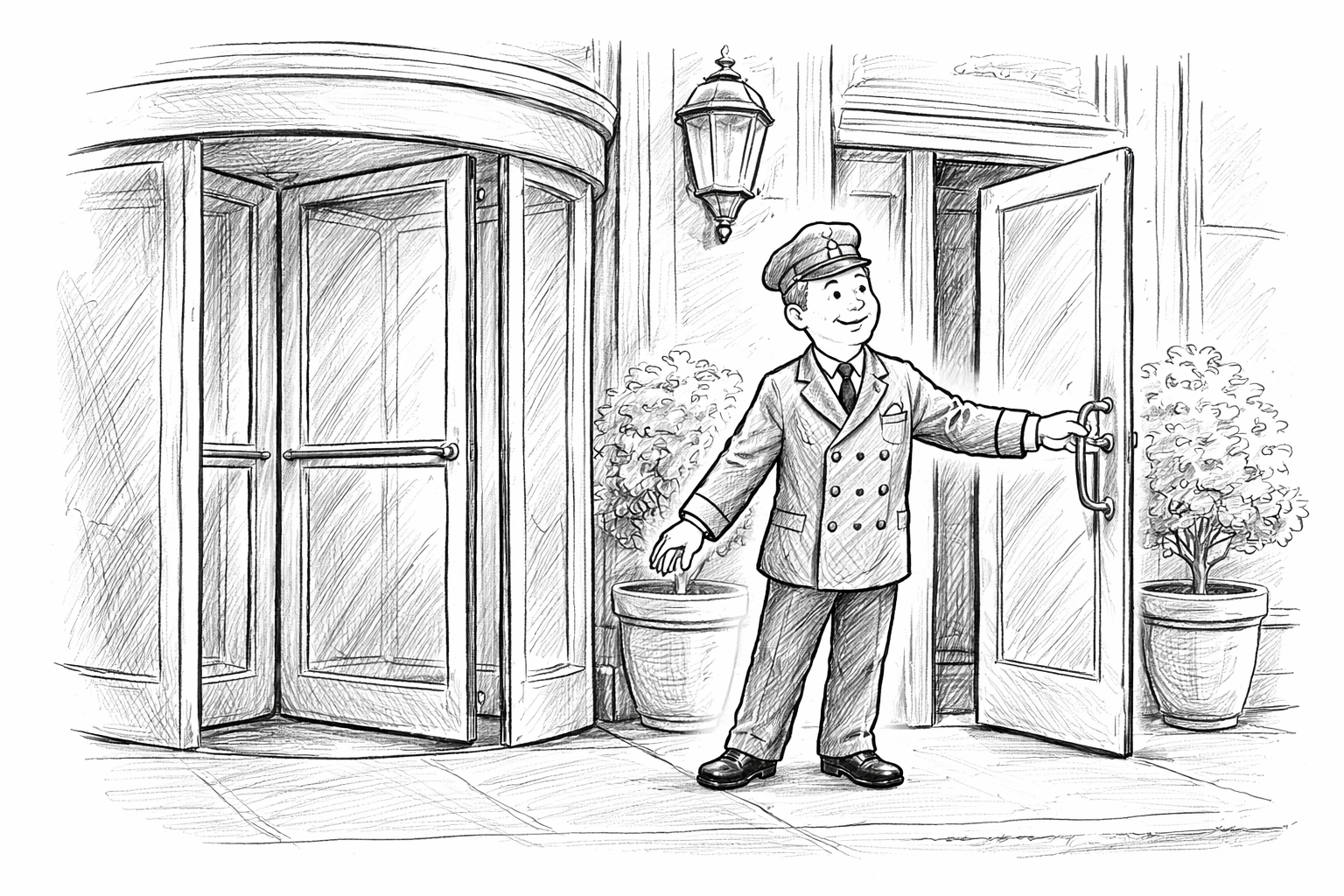
When practiced regularly, curiosity begins to do quiet, practical work. It opens doors. It reveals seams. It nudges you toward conversations, books, kitchens, histories, and lives you might otherwise have passed by. It blends disciplines the way art blends colors—by proximity, by experimentation, by paying attention to what happens when things meet.
I think of curiosity as a creative force, but not in the precious sense. It’s generative. It fuels discovery and laughter. It pushes gently at the edges of what you already know. And when you begin living this way—asking, noticing, exploring—life doesn’t necessarily get easier, but it does get fuller.
The word itself carries a useful double meaning. Curiosity is a desire to know. It’s also a strange or unusual thing. An oddity. A wonder. Both definitions matter. They remind us that learning and strangeness are often intertwined—that what draws us forward is rarely neat or obvious.
This publication exists as an invitation to that posture.
Not to abandon seriousness, but to loosen cynicism’s grip. Not to escape reality, but to approach it with a little more attention and care. To remember that joy and wonder are not naïve responses to the world, but resilient ones.
There is no single way to practice curiosity. It’s personal. Rhythmic. Shaped by temperament, energy, and season. The only requirement is conviction—the willingness to ask questions that matter to you, even when the answers take time.
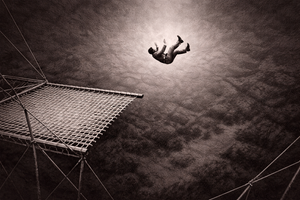
My hope is simple: that you begin to look at your own life with a bit more wonder. That you allow yourself to fall down the occasional rabbit hole, like Alice. That you treat “I don’t know” not as a failure, but as a doorway.
That feels like a good place to begin again. Let’s live in the questions.
Tiffani