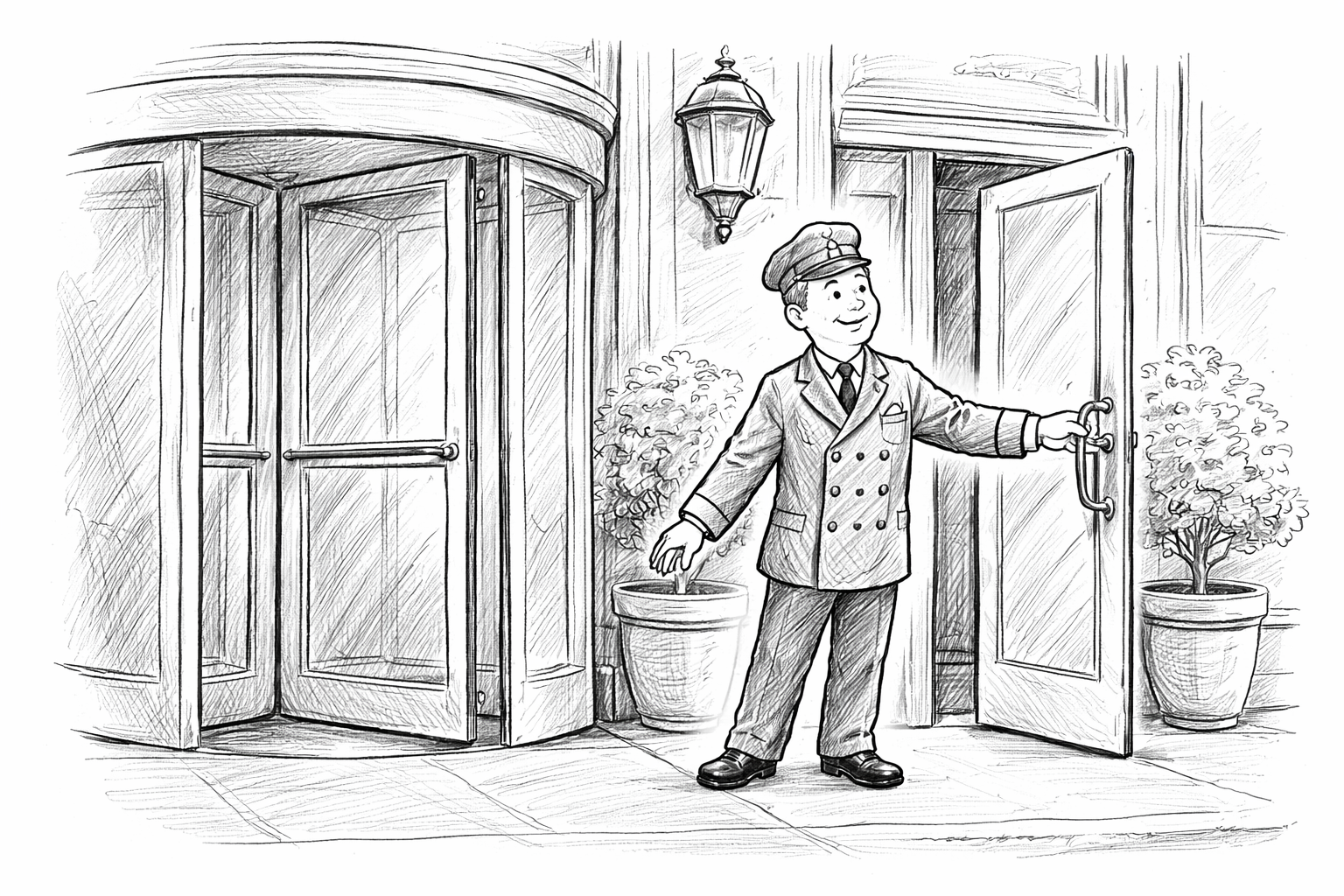

It turns out that something many of us instinctively know—that small, kind gestures matter—has been quietly supported by research for years. Acts of hospitality, especially those offered without expectation or familiarity, don’t just feel good in the moment. They have measurable effects on how we experience our lives and our relationships with others.
While there isn’t a vast body of research devoted exclusively to random acts of hospitality by name, adjacent fields like positive psychology and social psychology have been studying their effects for decades. In one widely cited study, psychologists Sonja Lyubomirsky and her colleagues found that performing acts of kindness for others led to increases in happiness and overall well-being (Lyubomirsky et al., 2011). Not dramatic life overhauls—just small, noticeable shifts in how people felt day to day.
What’s striking isn’t just that kindness helps the recipient. It helps the person offering it, too.
Other research reinforces this pattern. A 2013 study by Post, Meade, and Reed found that participants who regularly engaged in acts of kindness reported higher life satisfaction and more positive emotions overall. These weren’t extraordinary gestures—just ordinary moments of care, repeated over time. The kind that might easily go unnoticed, even by the person offering them.
Hospitality also appears to work quietly at the social level. Studies suggest that when people experience kindness, they’re more likely to extend it themselves. Research by Okimoto and Wenzel (2010) showed that receiving an act of goodwill increased the likelihood of future prosocial behavior, creating a subtle but powerful ripple effect. One gesture leads to another. Then another.

This matters because hospitality isn’t just about individual well-being—it shapes the texture of communities. Sociologist Van Willigen’s research on neighborly support found strong links between everyday acts of care and a sense of belonging and civic engagement. In other words, when people feel welcomed, they’re more likely to participate, contribute, and stay connected.
What’s compelling about all of this is how unremarkable these acts are. They don’t announce themselves. They don’t require special training or resources. And yet, taken together, they create environments where people feel seen and valued—often without realizing why.
There’s still much we don’t fully understand about the long-term social effects of hospitality, and the research continues. But what we do know is this: kindness isn’t just a personal virtue. It’s a social force. One that operates quietly, persistently, and often just outside our line of sight.
Which raises a gentler question—one the research can’t answer for us:
How many moments of hospitality pass through our days unnoticed? And what might change if we learned to recognize them—not as grand gestures, but as the subtle work of connection already happening all around us?
Tiffani
Sources & Further Reading
- Lyubomirsky, S., Dickerhoof, R., Boehm, J. K., & Sheldon, K. M. (2011). Becoming happier takes both a will and a proper way: An experimental longitudinal intervention to boost well-being. Emotion.
- Post, S. G., Meade, C., & Reed, C. (2013). Altruism and well-being: A review of the literature. American Journal of Preventive Medicine.
- Okimoto, T. G., & Wenzel, M. (2010). The symbolic meaning of transgressions: Towards a theory of symbolic loss. Journal of Social Psychology.
- Van Willigen, M. (2000). Differential benefits of volunteering across the life course. Journals of Gerontology: Social Sciences.
Research drawn from the fields of positive psychology, social psychology, and sociology.