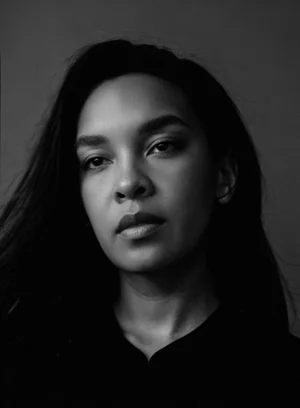
A Note on Quiet
Quiet arrives unplanned, like an unexpected meeting with a friend. It finds me—briefly, imperfectly—then moves on. In the earliest hours. Between thoughts. In the pause after an empty elevator door closes. Sometimes it’s something sought, sometimes it’s something that seeks me. Lately, I notice how quiet feels arranged. Comodified. Measured. Packaged and priced. Branded.
It appears on real estate listings and wellness brochures. It’s promised in renderings and enforced by distance. I can buy it with acreage, with insulation, with altitude. I can purchase the absence of noise. Quiet has become a feature instead of a condition, atmosphere disguised as quiet luxury. And like most luxuries, it isn’t evenly distributed.
I grew up in the 80s in Camden, New Jersey. I lived across from a city park: green, lots of trees, a baseball field, and a tennis court. As a kid, I was often on my own. I’d lie in the grass watching the planes from Philadelphia International Airport gain altitude, the only sounds were the distant planes and the wind rustling through the grass and treetops. In the spring, the house behind ours would be covered in white petals from an old pear tree. I could hear them in the wind if it was quiet enough. The warm rain hitting the ground in summer, the soft swish as a car moves through a puddle. I didn’t know then that this kind of quiet was temporary. I thought it was just how afternoons sounded.
Quiet offers these small gifts to my nervous system. A moment to stand down and find my body again.
It’s no mystery why it’s sold like a commodity. Quiet does something for us. It lowers the shoulders, lengthens the breath, and gives the body permission to stop scanning, bracing...to stop surviving and simply live. In quiet, the nervous system receives information it can’t get elsewhere: that nothing is required of it, at least for a moment.
When that state becomes rare, it becomes valuable. Classic supply and demand. When it’s assigned a value, it becomes controlled. Gatekept. And when it’s controlled, it follows the standard system of access—who can reach it easily, who pays more for it, who has to travel for it, and who is never meant to expect it at all.
Quiet isn’t neutral. It never was; it follows wealth, land, insulation, and distance. It follows the privileged. The option to step away, to decide when and how the world reaches you. Noise, meanwhile, pools where our presence is demanded—where attention is required, where humanity crowds, where rest is something we earn. What we call peace becomes relief from constant interruption. What we call luxury becomes the absence of demand.
When quiet becomes optional, it becomes inequitable. It becomes political, whether we acknowledge it or not. I’m thinking about this as we move into a new year that already feels louder. Faster. More insistent. A year that will offer plenty of tools for optimization, but very few invitations to stand down.
This space, my writing, this newsletter, is an experiment in resisting that drift. In paying attention to what happens when I intentionally slow the pace. When I leave room around ideas and curiosities. When I free myself from the idea that the places and ways I find quiet should be profitable. I’m not offering solutions, just a commitment to practice making, where possible, small pockets of quiet on