Cooking is often treated like background noise in adult life—something to get through between emails, errands, and obligations. A task. A checkbox. Fuel. But that framing has always felt insufficient to me, like calling a library a storage unit or a hotel room a bed with walls. Cooking, at its best, is not about efficiency. It’s about attention. It’s a quiet technology for connection, curiosity, and care.
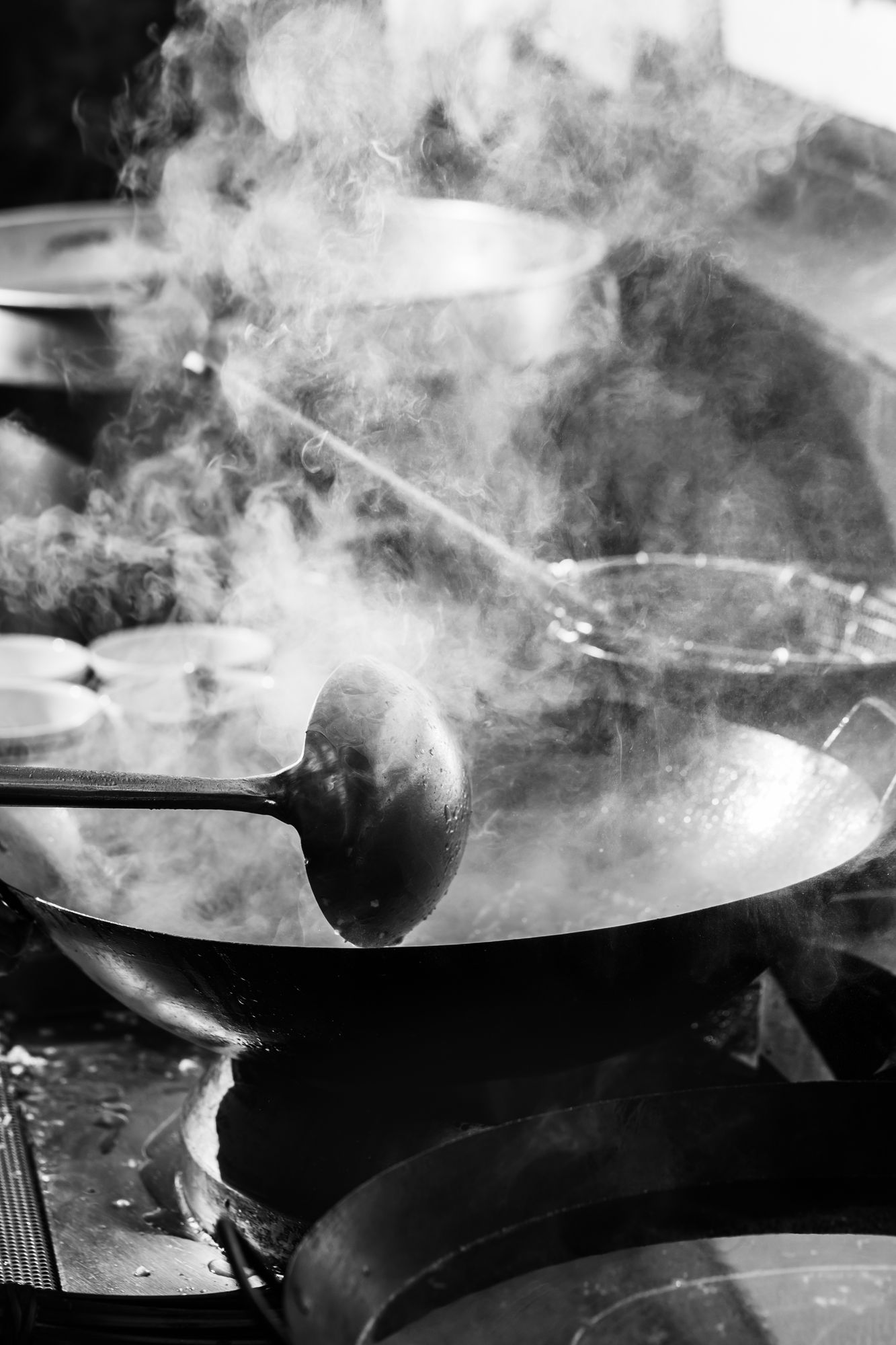
I don’t mean cooking as performance or spectacle. I mean the ordinary kind. The kind that happens on a weekend afternoon when time stretches a little. Garlic warming in olive oil. A pot simmering while the windows fog. The unremarkable miracle of feeding yourself or someone else without rushing. These moments rarely announce themselves as meaningful, but they carry a strange gravity. They slow us down. They pull us back into our bodies. They invite us to notice.
Thanks for reading The Elegant Rebel Papers! This post is public so feel free to share it.
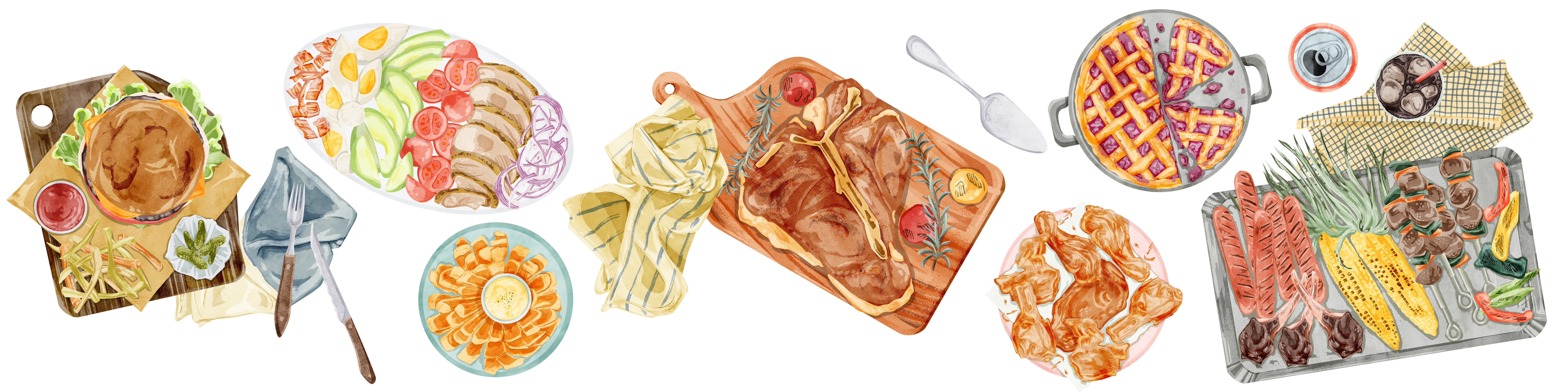
Simplicity is where this begins. Not the aspirational simplicity of a pristine kitchen or a minimalist cookbook, but the honest simplicity of food that doesn’t ask to be dressed up. A ripe tomato. Fresh bread. Soup made from what’s already in the fridge. Cooking like this isn’t a puzzle to solve or a performance to perfect. It’s an experience to inhabit. And once you stop trying to impress anyone—yourself included—curiosity has room to reappear.
That curiosity rarely stays contained in the kitchen. You start to wonder where ingredients come from. Why certain flavors travel together across cultures. Why does one recipe survive generations while another disappears? A dish becomes a question. A meal becomes an invitation to trace a lineage of people, places, and memory. Cooking reminds us that food is never just food. It’s history, geography, migration, and adaptation. It’s a story that changes slightly every time it’s retold.
I’ve always believed that recipes are chapters, not instructions. On the surface, they tell you what to do. Underneath, they hold lives. A grandmother’s lasagna is never just lasagna. It’s a record of Sunday afternoons, of substitutions made during lean years, of tastes adjusted for the people who showed up. Every time we cook something handed down—or something we make our own—we add a sentence to a story that started long before us.
This is where cooking begins to resemble other creative practices. The kitchen isn’t so different from a studio or a writing desk. A cook balances flavors the way a writer balances language or an artist balances color. Both are acts of translation. Both are attempts to make something felt. And both require a willingness to experiment, to fail quietly, to try again. The joy isn’t just in the outcome. It’s in the process of paying attention.
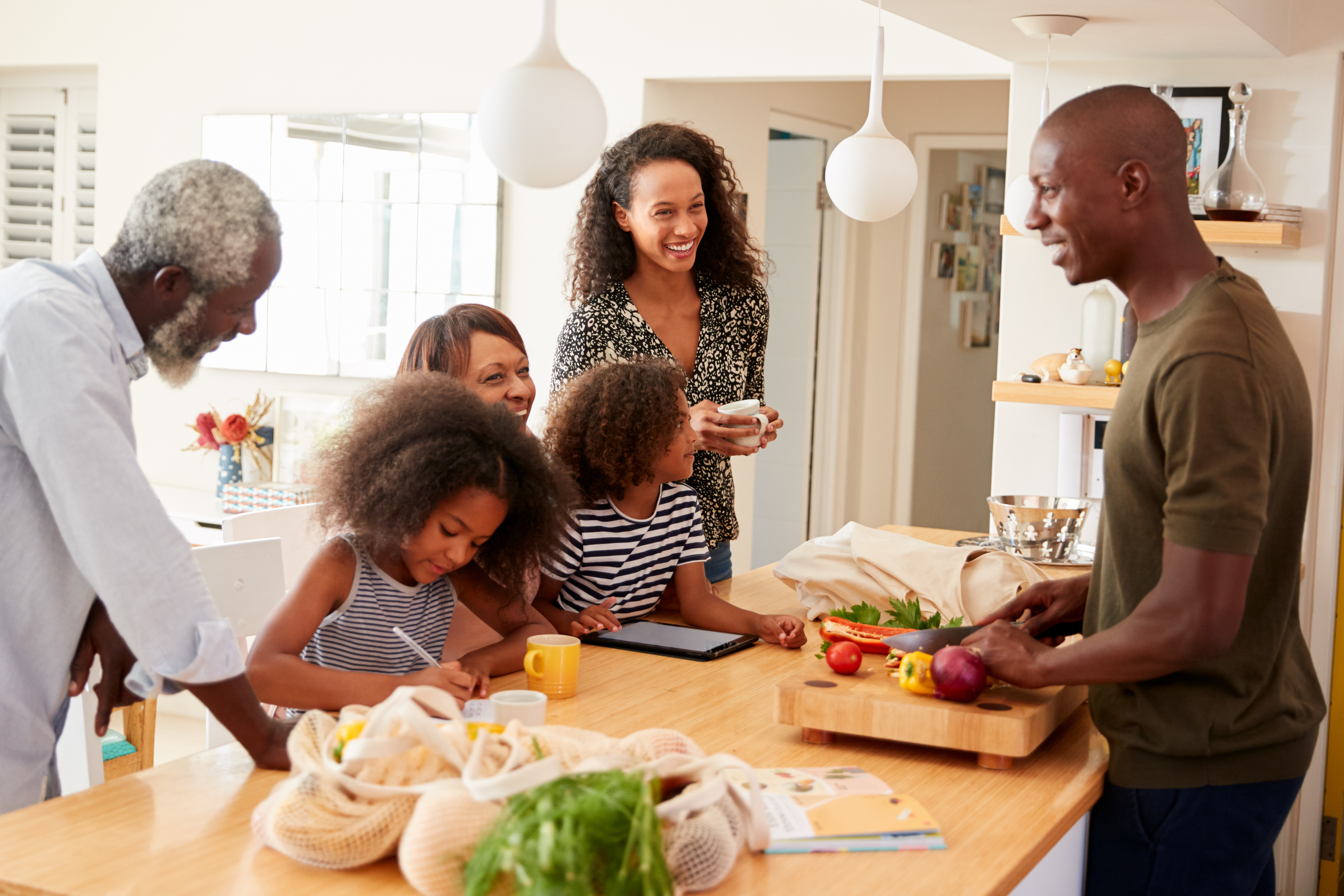
Cooking also carries a form of hospitality that doesn’t depend on formality or perfection. It shows up in the care taken to remember someone’s preferences, the patience of chopping vegetables slowly, the choice to sit at the table instead of eating standing up. When we cook for others, we’re saying something without speaking: I thought of you. I made room. I’m here.
There’s research that supports what many of us already know intuitively—that acts of kindness and generosity, including hospitality, strengthen social bonds and improve well-being. But cooking teaches this without statistics. You feel it when a shared meal softens a hard day. When conversation unfolds more easily around a table. When silence feels companionable instead of awkward. Food gives us something to hold while we show up for each other.
What interests me most is how cooking cultivates a particular kind of curiosity—one that isn’t about mastery or optimization. It’s about presence. Why did this work? What would happen if I tried it another way? What does this remind me of? These questions are gentle. They don’t demand answers right away. And that gentleness tends to spill into the rest of life.
Once you start moving through the world with that mindset, other things shift. You become more attentive. More patient. Less inclined to rush past moments that don’t look productive on paper. Cooking trains us to tolerate uncertainty—to trust that things can come together slowly, imperfectly, with care. It reminds us that nourishment is not just caloric. It’s relational. Emotional. Cultural.
In a time obsessed with speed and efficiency, cooking remains stubbornly human. It resists automation in ways that matter. It asks us to show up, to engage our senses, to participate in something ancient and communal. It offers a counterpoint to disconnection—a way back into ourselves and into each other.
Cooking isn’t just about feeding bodies. It’s about feeding curiosity. About creating space for stories to surface. About honoring the idea that care, repeated daily, can shape how we live and how we imagine the future. One meal at a time, we rehearse a more attentive way of being in the world.
And maybe that’s the quiet power of it. Not the grandeur. Not the performance. Just the steady, generous act of making something, sharing it, and noticing what unfolds around the table.
Tiffani